Is a Container Home Safe in Kenya? Honest Safety Guide 2026
The safety of container homes is one of the first questions Kenyan buyers ask — and rightly so. This is where your family will sleep, where your children will grow up. The good news is that properly built container homes address every legitimate safety concern and in several respects are actually safer than conventional construction. This guide walks through each concern honestly, including the ones that require attention.
Need an exact quote? Call us now.
We answer container questions 24/7.
Structural Safety: Is a Container Strong Enough?
The container is structurally over-engineered for use as a home. Here are the numbers:
A standard 40ft shipping container is rated to: - Carry a 26,700 kg payload (more than 26 tonnes) - Be stacked nine containers high when fully loaded — that means eight fully loaded containers above it - Withstand racking forces equivalent to storm-level ocean ship movement (far greater than anything it will experience on land) - Floor load rating: 3,300 kg/m² — a Kenyan brick floor slab is typically rated at 150–200 kg/m²
To put this in perspective: a container home with a family of five, all furniture, and a full water tank exerts perhaps 5–8 tonnes of weight on the structure. The container is rated for 26 tonnes. The structural safety margin is enormous.
Corner posts (the four vertical members at each corner) are the primary load-bearing elements. They are made from 6mm thick Corten steel and each post can carry 86 tonnes in compression. These posts never fail under residential use unless physically deformed by vehicle impact.
Resistance to ground movement: Kenya's soils, particularly in Nairobi (black cotton) and some Rift Valley areas, expand and contract with moisture. Brick houses regularly develop cracks due to differential settlement. A steel container frame has enough ductility to flex with slight settlement without cracking — it will not develop the structural cracks that make a brick house unsafe.
Security: Are Container Homes Safe from Break-ins?
In terms of physical security, a properly built container home is significantly more resistant to break-in than a conventional brick house.
Here is why: - Walls: The Corten steel walls of a container are 2mm thick and cannot be broken through with standard tools. Breaking through a container wall takes heavy industrial equipment. Conventional brick walls can be broken through with a pick or hammer in minutes - Security door: Container homes use a solid steel security door (typically 1.5–2mm gauge steel with reinforced frame). This door is far more resistant to forced entry than a standard wooden door, even with a security gate - Windows: Aluminium-framed windows with fly screens are standard. Steel burglar bars can be added to all windows at Kshs 3,000–8,000 per window
Weak points to address: - The main door is the primary entry point — use a good-quality double-cylinder deadlock (Kshs 3,000–6,000) and a surface-mounted security bolt - If you have a verandah, ensure the verandah posts are not climbable to the roof (which can give access to roof-level ventilation points) - CCTV cameras (Kshs 35,000–70,000 for a 4-camera system) are a very effective deterrent
Compared to brick: A brick house's windows and doors sit in a frame embedded in mortar. A determined intruder with the right tools can remove a window frame from a brick wall in minutes. A container window frame is welded to the steel shell — it cannot be removed without heavy equipment.
Practical security: Many Frontier Containers clients who have moved from brick rentals to owned container homes report feeling more secure, particularly regarding the steel wall perimeter.
Heat and Chemical Safety
Heat safety: The concern about excessive heat in container homes is legitimate for uninsulated containers. A bare steel container in direct Nairobi sun can reach dangerous interior temperatures. However, this is a construction specification issue, not an inherent property of container homes.
A properly fabricated Frontier Containers home with 40–60mm closed-cell polyurethane spray foam on all surfaces: - Maintains interior temperatures of 24–28°C on a hot Nairobi day - The spray foam is a Class B fire-rated material — it does not self-support combustion and produces only small amounts of smoke compared to polystyrene (EPS) foam, which should never be used in habitable spaces - The foam is applied by trained technicians using proper PPE; once cured, it is completely inert and non-toxic
Chemical safety: This is a genuine concern that requires a clear answer. Some shipping containers have carried toxic cargo — pesticides, industrial chemicals, or fumigated goods. Residual contamination in these containers poses a real health risk if the container is repurposed as a home.
How we address this: Frontier Containers sources exclusively food-grade containers for home conversion. These containers have only carried food products (never chemical cargo) and have been cleaned to food handling standards. We verify container history documentation before purchasing for home use.
What to ask when buying elsewhere: Request the container's cargo history documents. Any reputable supplier should be able to provide them. Avoid containers marked "fumigated with Methyl Bromide" for recent use — although the fumigant dissipates, it is worth confirming full clearance for the floor boards.
Foundation Safety: Does It Need a Proper Base?
Yes — a container home needs a proper engineered foundation. Placing a container directly on bare earth is not safe or stable for permanent residential use.
Here is why foundation matters:
Stability: A container placed on uneven ground or soft soil can settle differentially — one end drops more than the other. This warps the container frame, jams doors and windows, and in extreme cases can stress weld joints. A proper concrete pier or beam foundation prevents this.
Moisture protection: A container sitting directly on soil will have its base steel in constant contact with moist earth. Even Corten steel corrodes significantly faster in persistent ground contact. The foundation lifts the container at least 150mm above grade, allowing airflow and preventing ground moisture contact.
Seismic and wind safety: A container home that is not anchored to its foundation can slide or tip in extreme events (rare in Kenya but possible in some flood-prone areas). Foundation anchor bolts connect the container corner castings to the concrete — this is included in all Frontier Containers builds.
Foundation types and safety levels: - Corner piers (4–6 concrete piers): Appropriate for single-unit homes on stable soil. Safe for normal use - Perimeter beam: Safer for multi-unit builds and on expansive (black cotton) soils - Full raft slab: Safest; required for two-storey stacked builds and recommended on problematic soils
Soil testing: For any permanent home, a basic soil investigation (hand auger test or formal soil test) is recommended to identify soil type and determine the appropriate foundation depth. Cost: Kshs 15,000–30,000.
Lightning and Flooding Safety
Lightning: A steel container home is an electrical conductor. Does this make it a lightning target or danger?
In reality: - Lightning targets height more than material. A multi-storey container home is at no greater risk than any other building of the same height - A properly earthed container home is safer than an unearthed brick or timber home because the steel shell provides a low-resistance path to earth. If lightning does strike, the current travels through the steel frame and disperses safely into the ground via the earthing system - All Frontier Containers homes include proper electrical earthing that connects the container steel frame to the ground. This is a safety requirement, not optional
Practical tip: Install a lightning arrester (also called a surge protector) on your consumer unit. This protects electrical appliances from lightning-induced voltage surges on the power line. Cost: Kshs 3,000–8,000.
Flooding: Kenya's flash flooding affects low-lying and poorly drained areas during heavy rains. For container homes, flood risk depends on site selection: - Good sites: Elevated or well-drained ground, with the container floor level well above the 1-in-50-year flood mark - Risk: A container on a flood-prone site can float if floodwater is deep enough to provide buoyancy — this is a real risk documented in severe flood events worldwide
Our recommendation: Never install a container home in a natural drainage path or a documented flood zone. Site your home on elevated ground with good natural drainage, and ensure the foundation is at least 400mm above the highest recorded flood level in your area.
Child Safety and Family-Specific Concerns
Parents often ask specific questions about children and container home safety:
Sharp edges: All external container edges are steel — doors, window frames, and trim. During fabrication, we grind all exposed edges and apply protective corner trim to ensure there are no sharp projections at child height.
Interior safety: The interior of a finished container home looks and functions like any conventional room — painted walls (plywood or cement board lined), tiled floors, standard door hardware. There are no exposed steel surfaces inside a properly finished container home.
Two-storey builds: If you have a stacked two-storey container home, the upper floor landing and any open-sided areas must have safety balustrades. We install 1.1-metre-high steel balustrades on all open upper-level edges as standard.
Air quality: A properly insulated container home has no off-gassing concerns once the spray foam has fully cured (24–72 hours after application, before the container is enclosed). The cured foam is inert. Interior paints should be water-based and low-VOC (most modern interior paints sold in Kenya are). Ensure good ventilation for the first week after move-in.
Fire escape: Ensure that all bedrooms have an operable window large enough to serve as an emergency exit. Our standard window specification includes aluminium casement windows of at least 600mm × 900mm openable area in all bedrooms.
Frequently Asked Questions
Is it safe to live in a container home in Kenya?+
Yes — a properly built container home from a food-grade container, with proper insulation, an engineered foundation, and correct electrical earthing, is safe to live in. In several respects (structural strength, security, pest resistance) it is safer than a conventional home.
Are shipping containers safe to live in chemically?+
Food-grade containers have only carried food products and are safe for habitation. Containers that carried industrial chemicals or were heavily fumigated should not be used for homes. Frontier Containers verifies container cargo history and uses only food-grade containers.
Can a container home survive heavy winds in Kenya?+
Yes. A properly anchored container home is very wind-resistant. The steel shell and rigid frame perform much better in high winds than timber frame or light-gauge steel panel construction. The foundation anchor bolts prevent movement in extreme events.
Is a container home at greater risk of lightning?+
No — and with proper earthing, it may be safer than an unearthed structure. The steel frame provides a low-resistance path to ground for any lightning current. All Frontier Containers homes include proper electrical earthing to the container frame.
Can a container home flood?+
A container placed in a flood zone on unanchored foundations can be displaced by deep floodwater. The solution is correct site selection (elevated, well-drained land) and anchored foundations. Never site a container home in a documented flood zone or natural drainage path.
Is a container home safe for children?+
Yes, with proper finishing. All external edges are ground and trimmed. Interior surfaces look like a conventional room. Two-storey builds require safety balustrades at all open upper-level edges. Bedroom windows are designed to serve as emergency exits.
Are container homes approved by the NCA in Kenya?+
Container homes are legal permanent residential structures in Kenya and subject to standard NCA and county permit requirements. Frontier Containers is an NCA-registered contractor and all our builds are covered under our registration.
Ready to Buy?
Call or WhatsApp us for pricing on any container product in Kenya.
Related Guides
Container Guides & Insights
Expert advice on prices, buying, and building with shipping containers across Kenya.
 24 May 2025
How Much is the Cost of Used Shipping Container in Kenya
Are you thinking about buying a used shipping container in Kenya? It’s a smart move for many needs, from storage to building unique spaces. But the first question on everyone’s mind is: “How much will it cost?” Read on to find out.
Read Article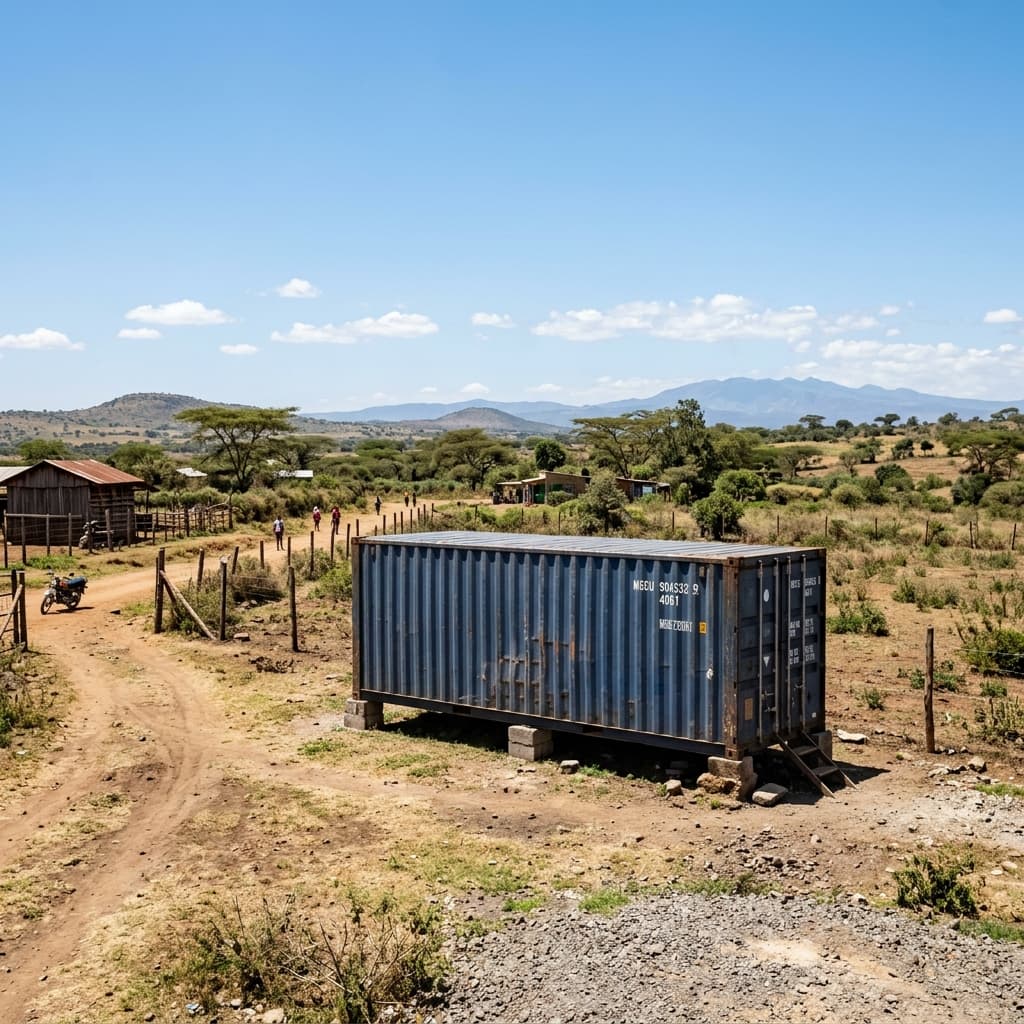 24 May 2025
How Much is the Price for a 40ft Shipping Container in Kenya?
Are you looking to buy a 40ft shipping container in Kenya? This is a popular choice for many projects, from big storage needs to building spacious container homes or offices. One of the first questions people ask is about the price.
Read Article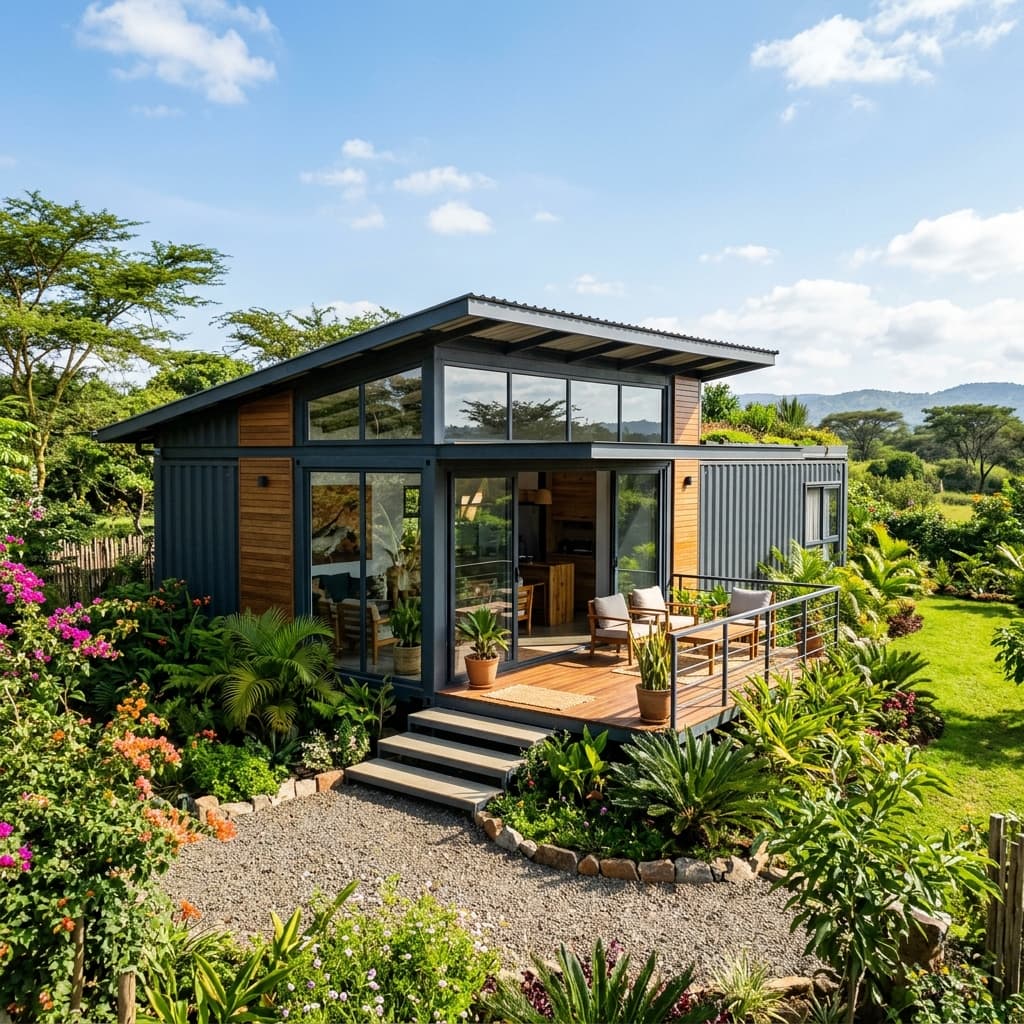 2 June 2025
How much does a container home cost in Kenya?
Dreaming of a unique, affordable, and stylish home in Kenya? A container home could be your answer! Shipping containers are strong, eco-friendly, and can be transformed into beautiful living spaces. But how much does a container home cost in Kenya?
Read Article